Emptiness Is Not Blankness
The most common misunderstanding about Śūnya
By Brahmanda Dhyana Tapovanam
Tell someone the goal is "thoughtless awareness" and they will usually picture one of two things: falling asleep, or staring vacantly at a wall.
Both are wrong, and both are worth clearing up — because a person aiming at blankness will practise dullness for years and call it progress.
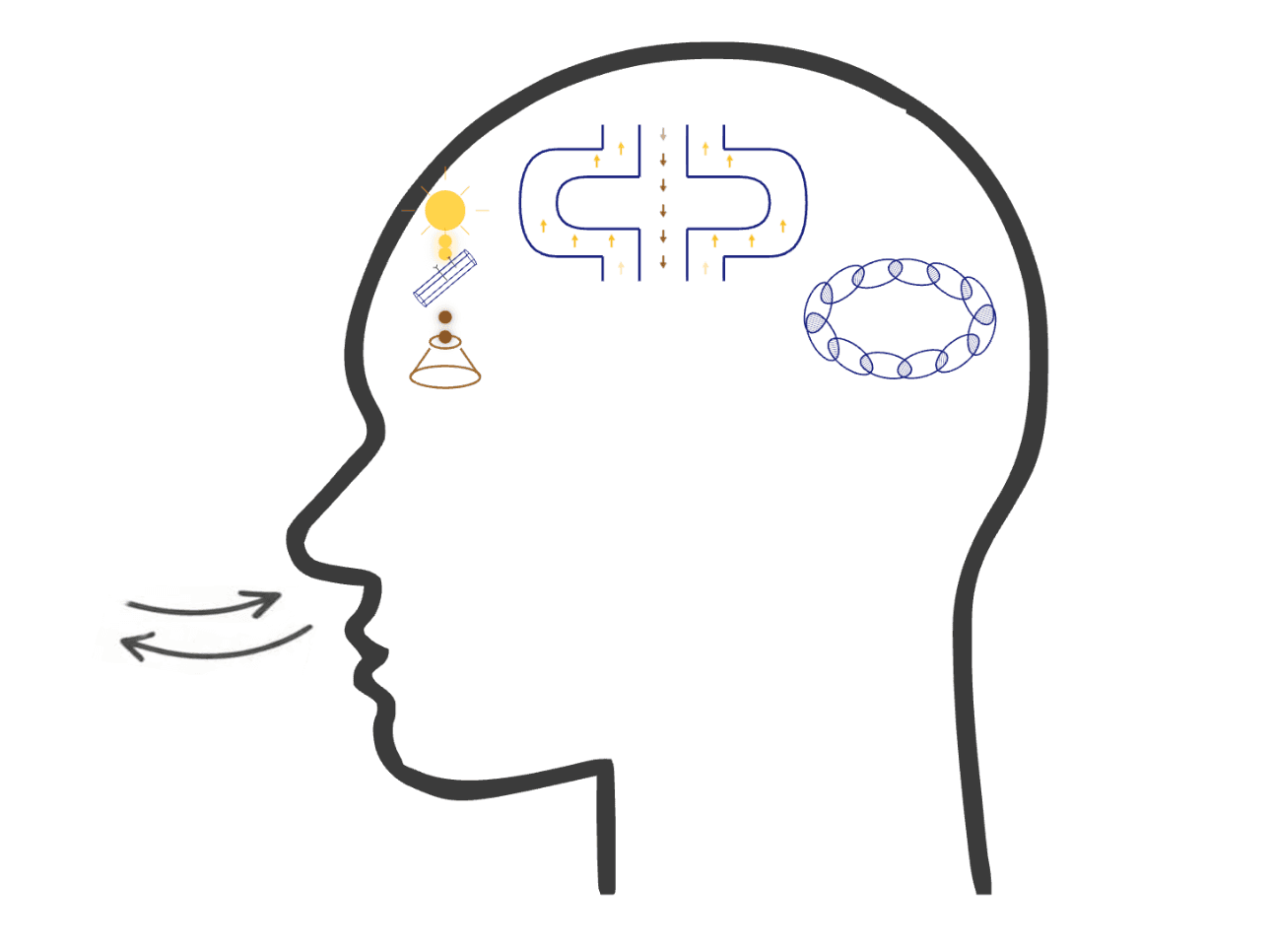
Awareness with nothing in it
The phrase has two words and both matter equally.
Thoughtless — no content. Nothing being processed, rehearsed, planned or replayed.
Awareness — fully present. Alert. Nothing dimmed.
The screen is on. Nothing is playing. That is the state.
Sleep has no thought and no awareness. Distraction has awareness cluttered with thought. Śūnya is the rarer combination: complete presence, empty of content.
Why it feels like relief rather than absence
People expect emptiness to feel like deprivation. It doesn't.
Consider how much of your ordinary mental life is maintenance — holding an argument you already had, rehearsing one you have not, tracking a list, monitoring a worry. None of it chosen. All of it costing something.
What remains when that goes quiet is not less of you. It is more room.
Which is why the description says empty and peaceful. The two arrive together.
Two kriyās, and no more
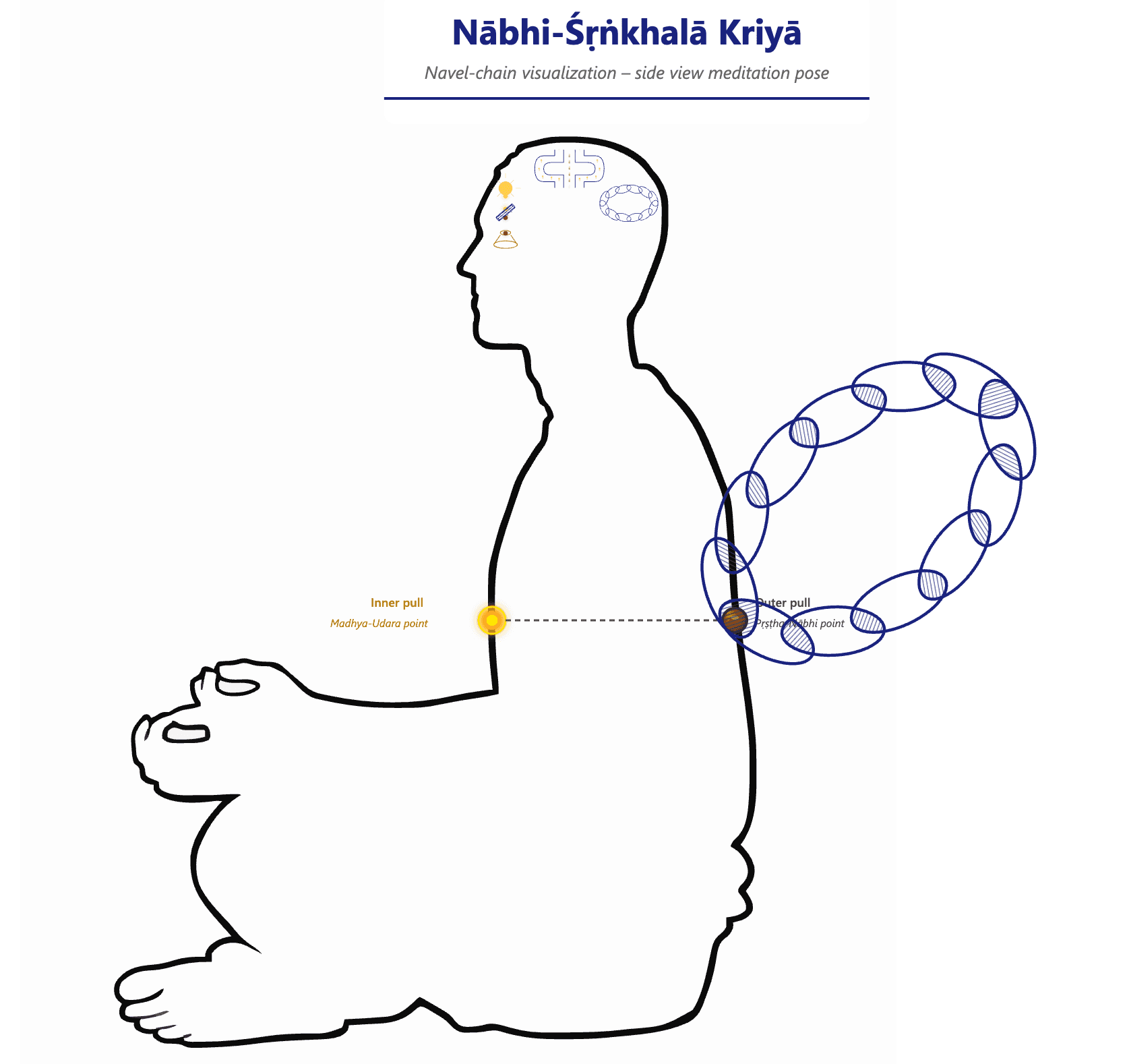
Sthira has six kriyās. Prāṇa has four. Śūnya has two — Manda Śvāsa Kriyā and Bhāva Santati Kriyā.
That reduction is deliberate, and it tells you something about the nature of the layer. By this stage of the practice there is less to do, not more. The techniques thin out because the work has changed character: from constructing something, to allowing something already present to be seen.
A practice that kept adding complexity at this point would be working against itself.